
Meet Your Board Candidate: Benjamin Adams
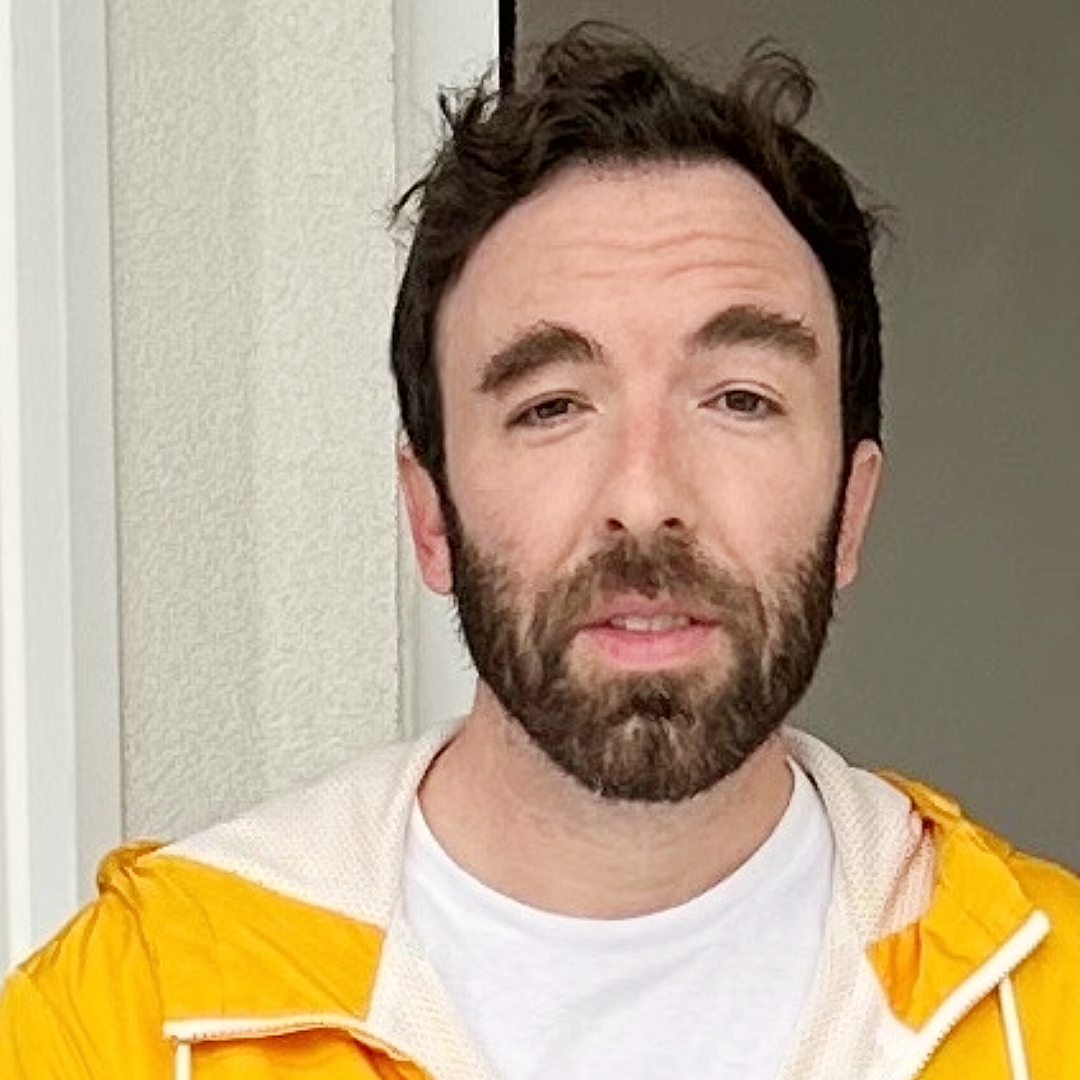 Ben Adams is a founder and owner of All Good Books. A Columbia, South Carolina native, he attended American University in Washington, D.C., and Columbia University in the City of New York, then worked in book publishing for several years. He first learned the ropes of bookselling while working at Blue Bicycle Books in Charleston, South Carolina. He then founded Odd Bird Books, a small bookstore in downtown Columbia, which operated from 2019-2022 while he and partners (Clint and Jenna Wallace) were still in the nascent stages of forming All Good Books. In total, he has worked as a bookseller for fifteen years.
Interview:
Why do you want to serve on the SIBA Board?
I'll start by stating directly the self-interest I see in this position, since I know it's a significant, volunteer commitment and I don't want to give too schmaltzy an answer. All Good Books will have been open for exactly five years when this next SIBA term begins. The first couple years were definitely shaky, but I feel we're in a very solid position as we look to the future. Our daily operating procedures are established now—so we won't be spending these next five years "reinventing the wheel," so to speak. Instead, I want to imagine what we can do to grow. When Clint, Jenna, and I have discussed how we envision growing, we agree it should be helping All Good Books to have a bigger reach in terms of impact, reputation, connection, and things along these lines. I believe drawing on the success we've had so far to help shape the landscape of the bookselling business in the Southeast, even in some small way, would further serve the mission we all had in mind when we founded All Good Books.
What do you think are the most important challenges facing independent bookstores in the SIBA region?
I'll just restate the common concerns we've all heard. We face the same challenges as all independent bookstores—competition from Amazon and big-box stores—while facing additional hardships due to being located in states that are either smaller than the national average, more rural than average, or poorer than average (and in some cases, like South Carolina, all three). And this is further complicated by being incorporated by state and local governments that are directly hostile to our goals.
What do you think are the most important priorities for the SIBA organization?
We're all in the process of reimagining what bookstores can look like in the twenty-first century, and we're likewise imagining what our trade association might look like. All Good Books has a unique governance structure, so I believe input, from myself and in concert with my partners, would be very useful. If I can brag on them briefly—Clint and Jenna Wallace are brilliant legal minds who came to Columbia from prestigious "white-shoe" law firms in Manhattan. They were very conscientious in designing the ownership structure to be more equitable, more inclusive, and more innovative than the average small business in Columbia. For example, we created a board of six advisors who were all given an ownership stake, in an effort to make our governance more diverse. If I can brag on us all briefly, I'll give a couple specific examples. Not many independent bookstores are B-Corp certified, but we are. Not many independent bookstores offer paid maternity leave, but we do. These things cut into our bottom-line, and we're not one of the wealthier bookstores to begin with (not in a wealthy city, and surely not in a wealthy state), but we've found ways to make it work. My understanding is that the Board is currently looking at its own parliamentary procedures, and that the Board has a healthy, ongoing conversation with SIBA's executive staff about how to be most useful. I believe All Good Books—which manages to function quite smoothly with a nine-person leadership team—could serve as a useful example on both these fronts.