
SIBA Board Slate
SIBA Member Booksellers on the 2026 Board Ballot
The SIBA Board of Directors has announced the slate for the 2026 Board Elections. Four of the current members are either stepping down from the board or up for re-election. SIBA bookstore members will vote for four people from the slate to fill the four spaces coming open.
The Current Board:
- Julia Davis, The Book Worm Bookstore, Powder Springs, GA (President) COMING OPEN
Julia will be stepping down from the Board at the end of 2026, prior to the completion of her term. - Melissa Taylor, E. Shaver, Booksellers, Savannah, GA (Secratery/Treasurer) COMING OPEN
Melissa has stepped down from the Board effective immediately. - Krystle Dandridge, The Book Bar RVA, Richmond, VA COMING OPEN
Krystle has decided not to seek a second term. - Bunnie Hilliard, Brave + Kind Bookshop, Decatur, GA COMING OPEN
Bunnie is running for re-election. - Dave Lucey, Page 158 Books, Wake Forest, NC
- Rayna Nielsen, Book Banter Books, New Orleans, LA
- Cristina Nosti, Books & Books, Coral Gables, FL
The Slate:
- Bunnie Hilliard, Brave + Kind Bookshop, Decatur, GA
- Benjamin Adams, All Good Books, Columbia, SC
- Cat Bock, Parnassus Books, Nashville, TN
- Sally Sue Lavigne, The Storybook Shoppe, Bluffton, SC
- Robin O'Bryant, Auburn Oil Company Booksellers, Auburn, AL
- Elese Stutts, Flyleaf Books, Chapel Hill, NC
- Courtney Ulrich Smith, Underbrush Books, Rogers, AR
Read about each candidate on the slate below.
The Election:
Voting is open now and will close on September 25, 2026. Each current Core Bookstore member has one vote. Lapsed Core Bookstore members, Provisional Bookstores, Out of Territory Bookstores, and bookstores that are sub-accounts of current member stores and don't pay dues are not eligible to vote. Stores can log in to check their membership status and contact nicki@sibaweb.com if they have questions about their account.
The Candidates:

BENJAMIN ADAMS
Bio:
Ben Adams is a founder and owner of All Good Books. A Columbia, South Carolina native, he attended American University in Washington, D.C., and Columbia University in the City of New York, then worked in book publishing for several years. He first learned the ropes of bookselling while working at Blue Bicycle Books in Charleston, South Carolina. He then founded Odd Bird Books, a small bookstore in downtown Columbia, which operated from 2019-2022 while he and partners (Clint and Jenna Wallace) were still in the nascent stages of forming All Good Books. In total, he has worked as a bookseller for fifteen years.
Interview:
Why do you want to serve on the SIBA Board?
I'll start by stating directly the self-interest I see in this position, since I know it's a significant, volunteer commitment and I don't want to give too schmaltzy an answer. All Good Books will have been open for exactly five years when this next SIBA term begins. The first couple years were definitely shaky, but I feel we're in a very solid position as we look to the future. Our daily operating procedures are established now—so we won't be spending these next five years "reinventing the wheel," so to speak. Instead, I want to imagine what we can do to grow. When Clint, Jenna, and I have discussed how we envision growing, we agree it should be helping All Good Books to have a bigger reach in terms of impact, reputation, connection, and things along these lines. I believe drawing on the success we've had so far to help shape the landscape of the bookselling business in the Southeast, even in some small way, would further serve the mission we all had in mind when we founded All Good Books.
What do you think are the most important challenges facing independent bookstores in the SIBA region?
I'll just restate the common concerns we've all heard. We face the same challenges as all independent bookstores—competition from Amazon and big-box stores—while facing additional hardships due to being located in states that are either smaller than the national average, more rural than average, or poorer than average (and in some cases, like South Carolina, all three). And this is further complicated by being incorporated by state and local governments that are directly hostile to our goals.
What do you think are the most important priorities for the SIBA organization?
We're all in the process of reimagining what bookstores can look like in the twenty-first century, and we're likewise imagining what our trade association might look like. All Good Books has a unique governance structure, so I believe input, from myself and in concert with my partners, would be very useful. If I can brag on them briefly—Clint and Jenna Wallace are brilliant legal minds who came to Columbia from prestigious "white-shoe" law firms in Manhattan. They were very conscientious in designing the ownership structure to be more equitable, more inclusive, and more innovative than the average small business in Columbia. For example, we created a board of six advisors who were all given an ownership stake, in an effort to make our governance more diverse. If I can brag on us all briefly, I'll give a couple specific examples. Not many independent bookstores are B-Corp certified, but we are. Not many independent bookstores offer paid maternity leave, but we do. These things cut into our bottom-line, and we're not one of the wealthier bookstores to begin with (not in a wealthy city, and surely not in a wealthy state), but we've found ways to make it work. My understanding is that the Board is currently looking at its own parliamentary procedures, and that the Board has a healthy, ongoing conversation with SIBA's executive staff about how to be most useful. I believe All Good Books—which manages to function quite smoothly with a nine-person leadership team—could serve as a useful example on both these fronts.
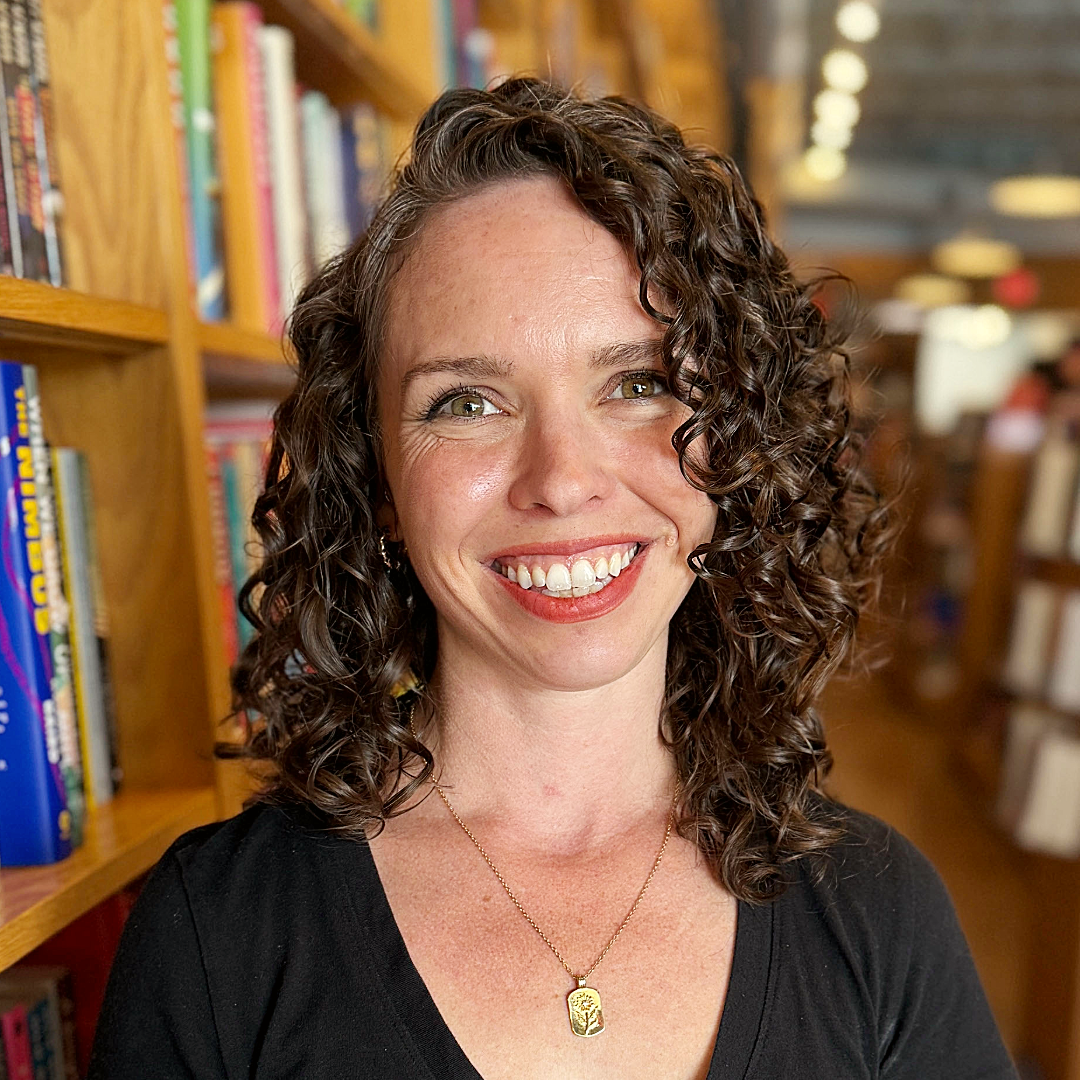 CAT BOCK
Bio:
Cat Bock is the Store Manager at Parnassus Books. She has worked there since 2014 with a brief stint at Ingram Content Group and has held a variety of roles including Buyer and Inventory Manager and Special Sales Manager. She is passionate about providing exceptional customer service and supporting the greater bookselling community in general, but Southern indies in particular. During her time at Parnassus Books she has encouraged other staff members to get involved in the broader bookselling community and ensured that bookselling staff has had the opportunity to do so.
Interview:
Why do you want to serve on the SIBA Board?
I am excited about the opportunity to support the board in the work they do to advance the success of all Southern independent bookstores and build a strong network of readers and booksellers across the South. As I've worked in a bookstore from its earlier days of existence to become one that is fully entrenched in our community, I can appreciate the needs of members who are at varying stages of growth and look to the Board for support and guidance. I'd be honored to get to use my experience in a variety of bookstore roles to further the work the SIBA board does for its members.
What do you think are the most important challenges facing independent bookstores in the SIBA region?
As the bookselling landscape evolves to meet the challenges of the world around us I think a universal challenge is technology. From finding the perfect POS system, configuring your website, e-commerce, scheduling, staff communication, the conversations around AI, and always ensuring good customer service there is no shortage of ways technology impacts our day to day. I think that so many other issues we have tie back to technology and how we best use it. Addressing some of the technology-centered needs and questions that SIBA bookstores have would have impacts in nearly everything that we do.
What do you think are the most important priorities for the SIBA organization?
I think one of the most important things SIBA does is find ways to provide networking and education opportunities so member stores can always be learning from each other and our industry partners. Bookselling-specific knowledge along with general business best practices are crucial for uplifting Southern booksellers. I think SIBA has done amazing work over the years with the March Madness series, the Southern Bookseller Review, and the new website so information and programming can more easily be accessed by members (just to name a few goings-on!). I'd look forward to advancing these priorities further as a board member.
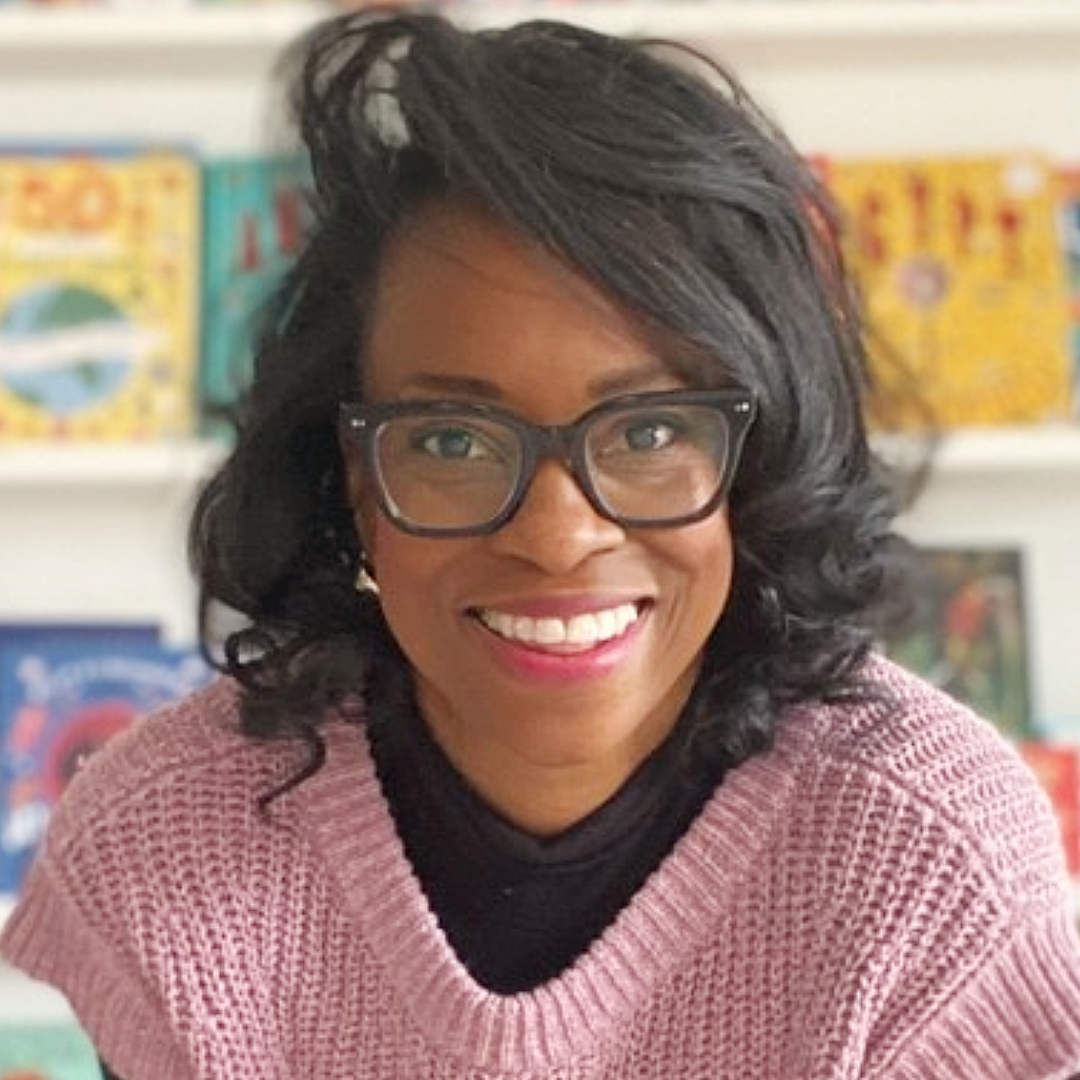 BUNNIE HILLIARD
Bio:
Bunnie Hilliard is the founder and owner of Brave + Kind Bookshop, a Black-owned, women-led independent bookstore in Decatur, Georgia, launched in 2018 and dedicated to thoughtfully curated books that reflect the beauty and diversity of the world around us. Bunnie is passionate about the role independent bookstores can play beyond their shelves: bringing people together through stories, creating access to books, championing diverse voices, and building meaningful community partnerships. Through Brave + Kind, she has welcomed acclaimed authors and cultural voices to Atlanta, created large-scale literary events and festivals, and collaborated with schools, libraries, publishers, nonprofits, and fellow independent booksellers to connect readers with books and one another.
Interview:
Why do you want to serve on the SIBA Board?
I'm seeking a second term on the SIBA board because my first term only deepened my commitment to this work and I still have more to contribute. My first term was about learning how the board works and building real relationships with fellow booksellers and staff. A second term means I can carry that momentum forward helping finish the initiatives I've been part of, and continuing to push for programming and partnerships that reflect the full diversity of readers and communities we serve across the South.
What do you think are the most important challenges facing independent bookstores in the SIBA region?
I think one of the most pressing challenges facing independent bookstores in the SIBA region right now is the combination of rising operating costs and the ongoing pressure from Amazon.
What do you think are the most important priorities for the SIBA organization?
I think one of the most important priorities for SIBA right now is helping independent bookstores discover and develop new revenue streams and experiences. The kind that simply can't be replicated by Amazon or a big box store. Book margins alone aren't enough to sustain us long-term, especially with rising costs. What sets indie bookstores apart is our ability to create experiences. Those experiences generate real revenue and deepen community loyalty in ways online retail never can.
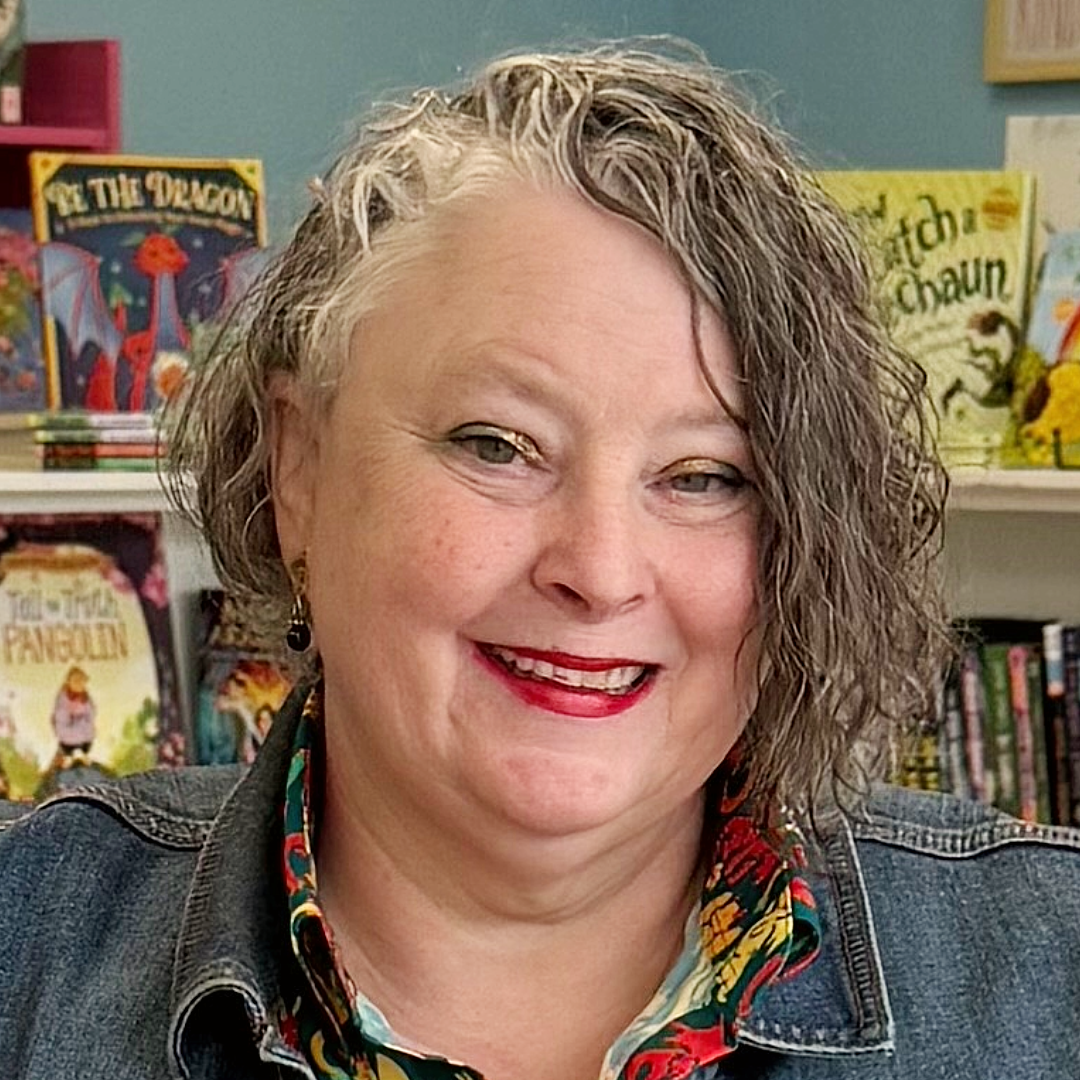 SALLY SUE LAVIGNE
Bio:
Sally Sue Lavigne is the owner of The Storybook Shoppe, South Carolina’s oldest children’s bookstore, located in Bluffton. After 13 years as a substitute teacher, she turned her passion for inspiring young readers into a thriving bookselling career. From hosting Local Heroes Storytime to organizing the annual holiday pajama and book drive, Sally Sue champions literacy and community engagement.
Interview:
Why do you want to serve on the SIBA Board?
I believe to be a good community member you have to give back. Serving on the SIBA board will give me the opportunity to share the knowledge and experience gained in 10 years of bookselling and shop ownership to make our community stronger and perhaps just a little bit easier for others.
What do you think are the most important challenges facing independent bookstores in the SIBA region?
The book bans in our country are especially devastating for bookstores in the SIBA territory. Southern states lead in the number of book bans on both the state and local levels. Booksellers across SIBA face daily challenges including community scrutiny, lost opportunities for author visits, and in extreme cases violence and property damage.
What do you think are the most important priorities for the SIBA organization?
As membership grows, it is important that SIBA remains sensitive to the cares and concerns unique to the diverse regions across our large territory. Every member bookstore should feel seen and heard.
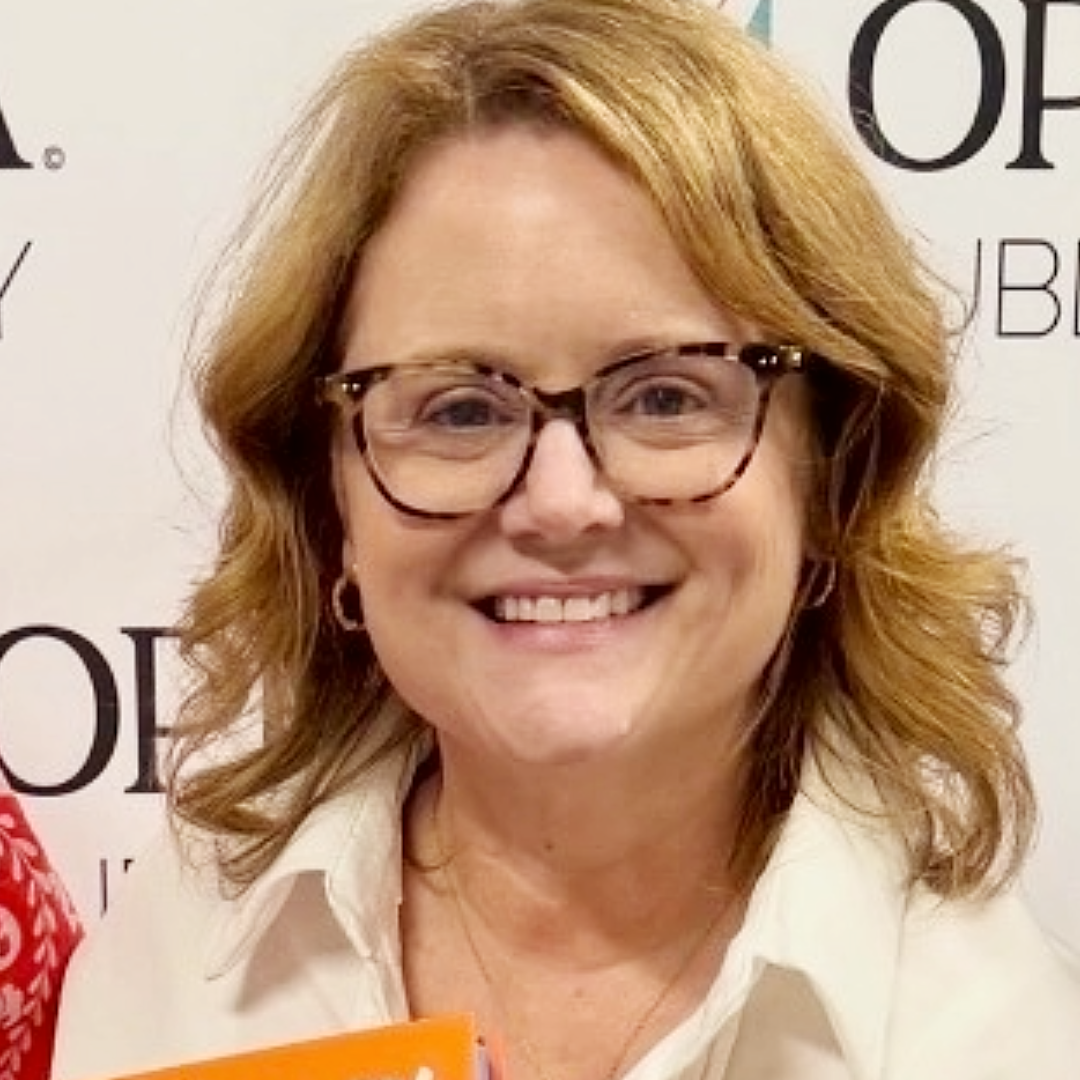
ROBIN O'BRYANT
Bio:
Robin O’Bryant began her career as an author before becoming a bookseller and Events Manager at Auburn Oil Booksellers in Auburn, Alabama. Her first book, Ketchup Is a Vegetable & Other Lies Moms Tell Themselves, a collection of humorous essays about motherhood, was self-published after being rejected by traditional publishers. Through grassroots promotion and hard work, it became a New York Times bestseller and was subsequently acquired and republished by St. Martin’s Press. Robin also created the self-syndicated humor column Robin’s Chicks, which ran in dozens of newspapers and magazines across the Southeast. She has additional experience writing copy and creative content for brands, marketing, and advertising campaigns. Robin’s experience as both an independent and traditionally published author, combined with her background as an event coordinator and bookseller, gives her a unique and valuable perspective on the needs of booksellers, authors, and readers.
Interview:
Why do you want to serve on the SIBA Board?
I'm fascinated by every aspect of the book business, and participating in SIBA events over the last year has been an amazing experience. March Madness and NVNR were both fantastic, but what really stood out was the opportunity to connect with other booksellers and see the broader picture of independent bookstores. Those conversations gave me a broader perspective on how booksellers can work together, share ideas, and support one another. I realized this kind of collaboration is exactly what SIBA is already doing. I'd love the opportunity to be a part of it and contribute to our community.
What do you think are the most important challenges facing independent bookstores in the SIBA region?
I felt this way before NVNR, and I left even more convinced there's a disconnect between authors and independent bookstores. Authors want to be in indie bookstores, and booksellers want to welcome authors into our stores, but the systems currently in place to connect the two aren't quite getting the job done. I see an opportunity for SIBA to help strengthen that connection and create more meaningful ways for authors and booksellers to find and work with one another.
What do you think are the most important priorities for the SIBA organization?
Continuing to build community—which SIBA is already doing really well. I'd love the opportunity to help raise awareness among publishers about the incredible independent bookstores that not only exist but thrive throughout the South. I'd also love to see SIBA bookstores begin pitching author events as mini-tours, creating opportunities for authors to connect with multiple independent bookstores and reach more readers across the region.
ELESE STUTTS
Bio:
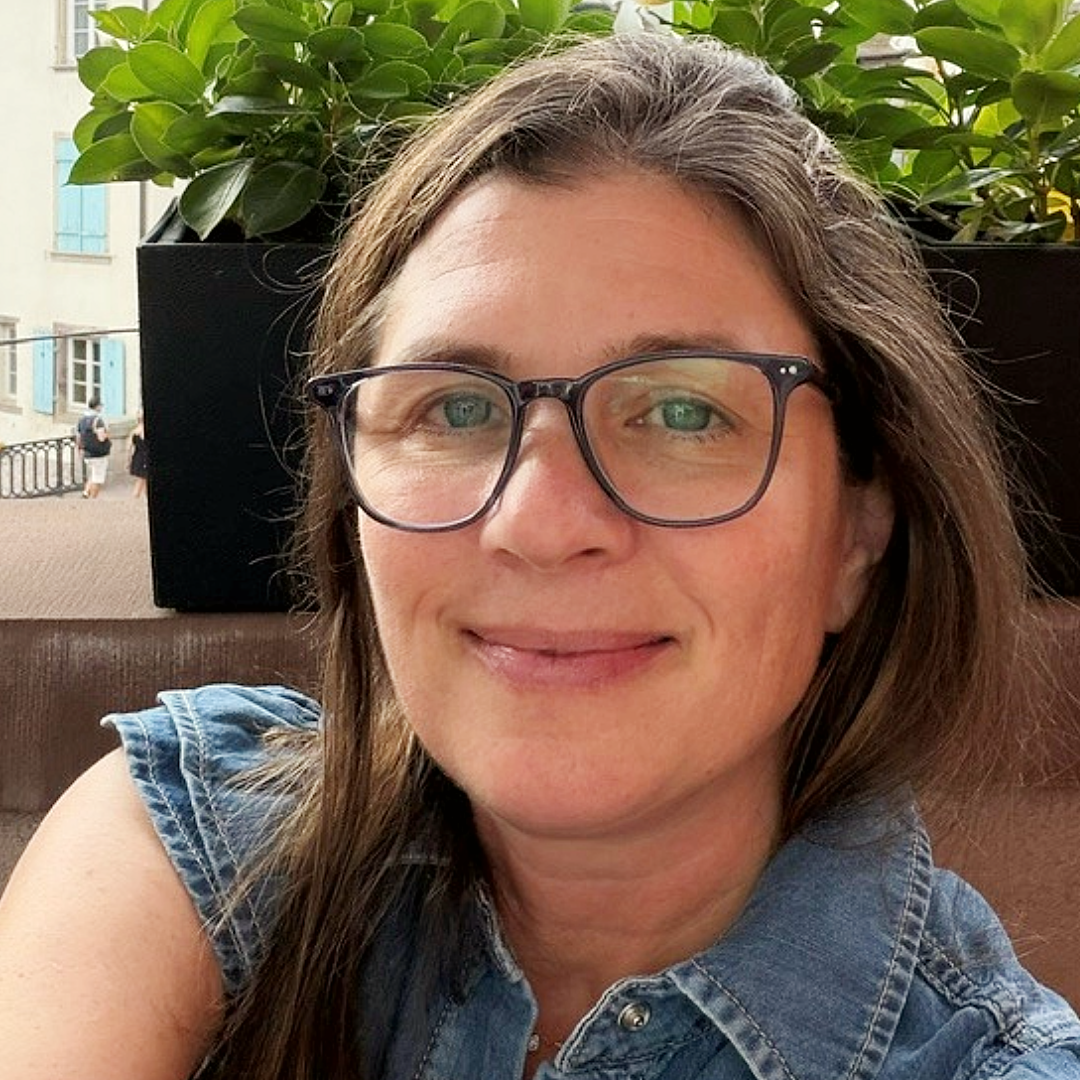
I'm the Director of Buying & Operations at Flyleaf Books in Chapel Hill, NC. In my current role, I oversee floor operations and am responsible for adult frontlist & sidelines buying, reorders/inventory management, event ordering, and institutional & school orders. I've been at Flyleaf for ten years, in positions ranging from frontline bookseller to children's buyer to manager. Prior to bookselling, I was a librarian at a reproductive health NGO. I have a master's degree in library science from UNC Chapel Hill. I'm passionate about public schools and take the greatest joy in facilitating partnerships between Flyleaf and our local teachers, librarians & students. And some fun stuff: How I'd describe my taste in books: Omnivorous with a preference for books written about places and things outside of my personal experience. What I enjoy outside of Flyleaf: Puzzles, shark teeth, lists, porches, cheese, soccer, family, and contending with my rapscallion of a basset hound.
Interview:
Why do you want to serve on the SIBA Board?
SIBA is a great resource for our bookselling community. I've personally benefited from SIBA's programming—the March Madness events, the Indie Press Social, the booksellers I've met along the way—and I've witnessed how important NVNR is for sharing knowledge and creating that community. I'd like to give back by serving on the Board. It's my hope that my years of experience in a variety of roles and my experience as a bookstore employee would prove useful. I've long considered getting more involved with SIBA, but the timing hasn't been right; if I can be of service now, I'd like to be!
What do you think are the most important challenges facing independent bookstores in the SIBA region?
The things that keep me up at night:
- How do we make/keep bookselling a viable career path
- How do we pay employees sustainable wages, offer health care, AND remain profitable entities? How do we help employees grow in their job?
- How do we stay competitive with online sellers and big-box chains on issues of price, usability, and speed of fulfillment? (the eternal question)
- How do we act when faced with inhospitable legislation or a political environment that is out of alignment with our store's values?
- How do we keep our booksellers safe and supported?
What do you think are the most important priorities for the SIBA organization?
Providing programming and education! Creating opportunities for booksellers across the region to gather virtually and in person, in both small and large groups to exchange knowledge and make connections. Providing support to bookstores and booksellers in times of crisis - whether it's a safety or security situation, a weather event, or a political issue impacting our ability to operate as we wish and put books in the hands of those in our community.
COURTNEY ULRICH SMITH
Bio:
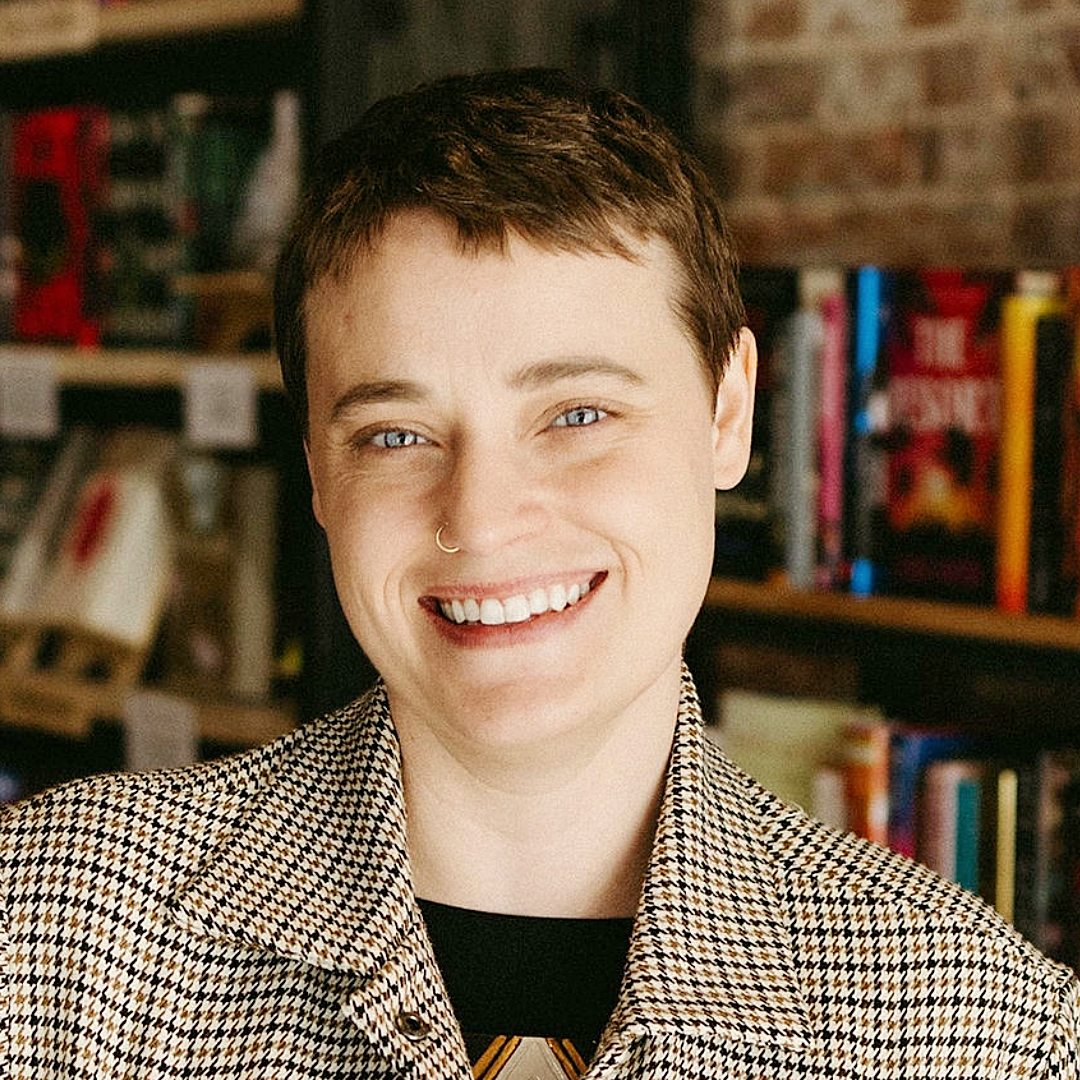
Courtney Ulrich Smith is an Arkansas-based small-business owner and non-profit founder. Her bookstore, Underbrush Books, is a genre-focused, queer-centric bookstore in the heart of historic downtown Rogers, AR. She's passionate about building communities and building relationships with readers and writers.
Interview:
Why do you want to serve on the SIBA Board?
There are so many lived experiences across our membership. I am fairly new to the industry, having only been a bookstore owner for 5 years, and am passionate about helping other new/first-time owners solve the same problems I faced. I'm particularly passionate about representing my state, Arkansas, which has an incredible number of bookstores, and faces a vast number of challenges within the industry and without.
What do you think are the most important challenges facing independent bookstores in the SIBA region?
Our world, and the technology with it, are changing at an unprecedented rate. It can be hard to navigate those changes, stay competitive with rapidly growing giants, and stay true to our morals and beliefs as book folks. This is not something we can just ignore, as the gaps will only grow wider. I believe my background in both software development and venture capital provides me with a unique lens to our industry and the way that new and legacy bookstores can be thinking about changes in customer behavior and industry innovation.
What do you think are the most important priorities for the SIBA organization?
To support our bookstores and booksellers in whatever ways they need. As mentioned earlier, no bookstore journey is the same, and therefore it is nearly impossible to highlight one single issue that is more important than another. It is SIBA's job to listen to our stores, understand their problems, and meet them where they are at to build solutions that make our region stronger.